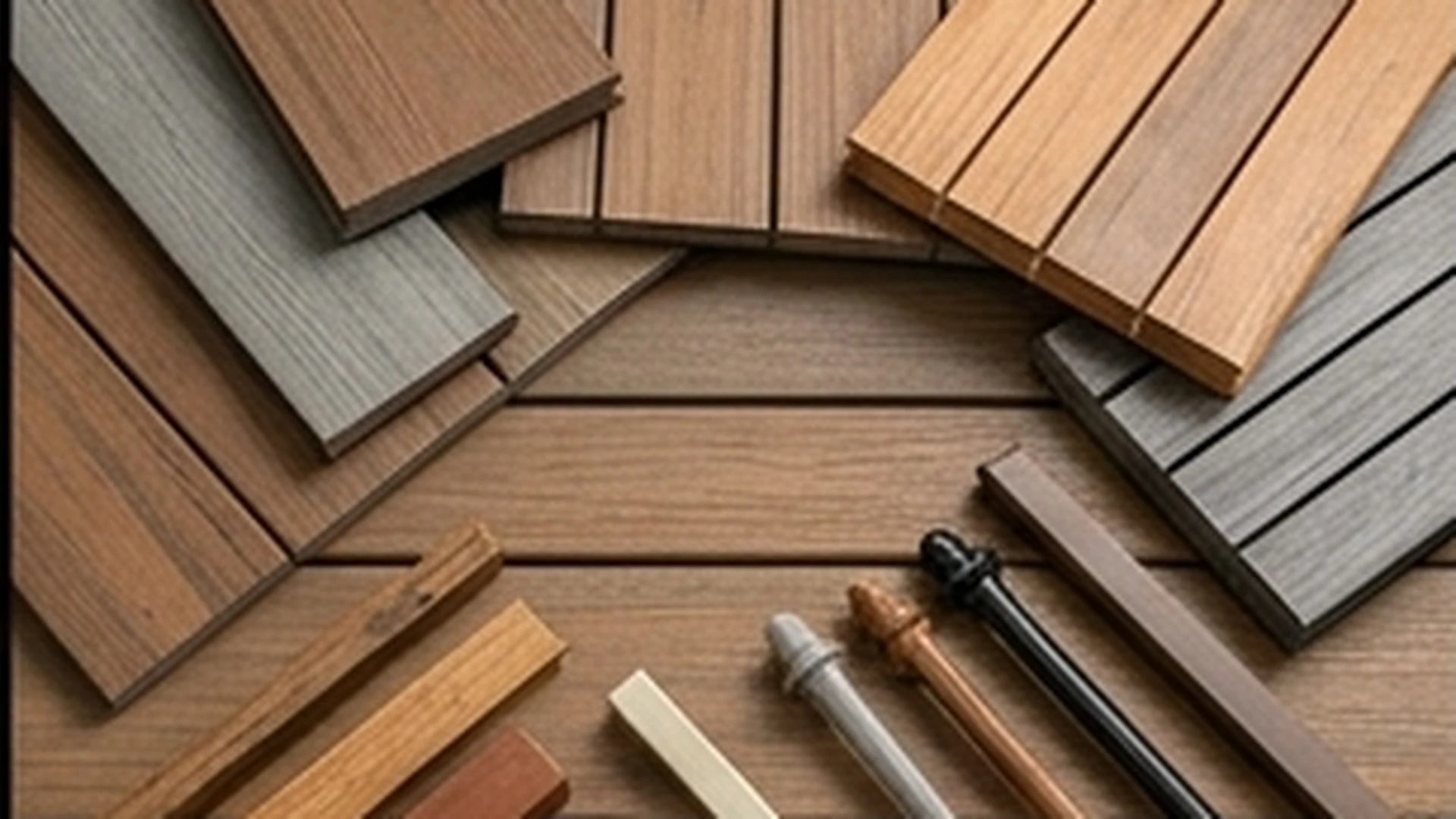
How Many Boards Before Resurfacing Makes More Sense
Replacing individual boards costs more per square foot than a full resurfacing because of the setup, matching, and individual handling. When more than 30 to 40 percent of the surface boards need replacement, full resurfacing typically makes more economic sense — and allows for better drainage gap consistency across the whole deck.
What Shapes the Estimate
Number of boards to replace, framing repair if needed, material match (PT vs. composite vs. cedar), accessibility of the underside for framing inspection, and whether the existing fastener pattern can be reused or needs to be relocated.
Board Match Expectations
New pressure-treated boards will be noticeably lighter than weathered existing boards. They will gray and weather to a closer match over one to two seasons. If color consistency matters immediately, full resurfacing with matching material is the only way to get it.
After the Repair
Seal new boards after 6 to 12 months, once the wood has dried. A penetrating water repellent applied consistently after that extends board life significantly and keeps the surface from splitting and splintering in Frederick's freeze-thaw cycles.