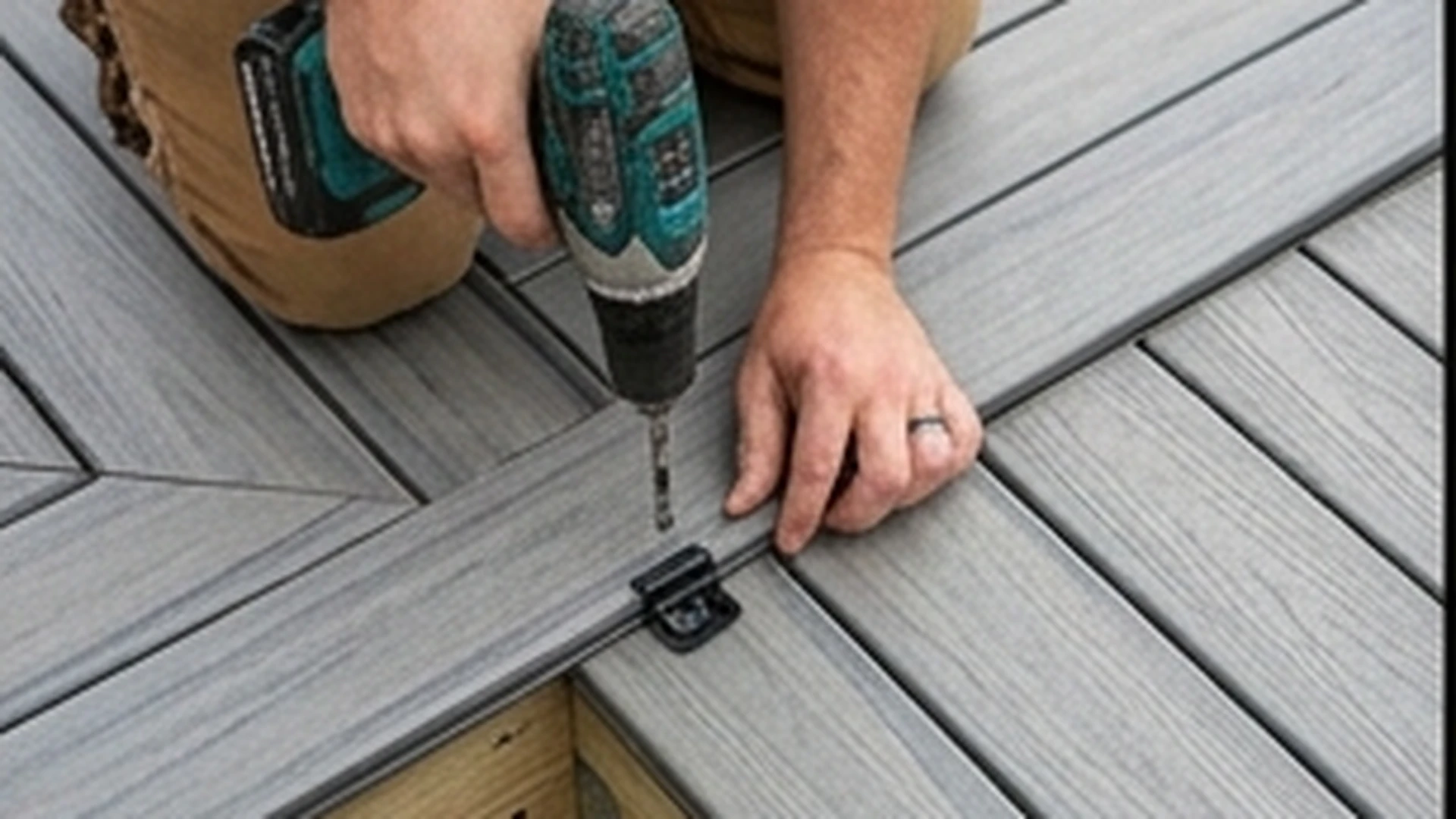
New deck stair construction in Frederick

Railings, Stairs & Features

Deck Stair Construction in Frederick, MD

New stairs built with correct rise-run ratios, properly sized stringers, code-compliant handrails, and a concrete landing that won't settle and tilt the stringer bases.

01Set the Rise and Run

Maximum rise 7-3/4 inches, minimum run 10 inches. Rise-run ratios are calculated before stringers are cut so every step is consistent top to bottom.

02Size and Install Stringers

Stringers carry the load. They are sized for the span, cut at the correct notch depth, and landed on a concrete pad — not directly on soil.

03Handrail to Code

Any stair with more than two risers gets a graspable continuous handrail on at least one side, mounted between 34 and 38 inches above the stair nosing.

Frederick Deck Planning

Deck Stair Construction: Getting the Numbers Right Before the First Cut

The rise-run ratio is calculated from the total rise — the distance from the deck surface to the landing — and the number of steps. Changing the total rise by even half an inch after the stringers are cut means the bottom step is different from every other step. We measure twice and cut once.

What Makes a Stair Build Fail Early

The two most common stair failures we see on existing decks are both preventable. First: stringers landed on soil or pavers without a concrete pad. Frost heave moves the stringer base up and down seasonally, eventually cracking treads and loosening the stair-to-deck connection. Second: notch depth cut too deep into the stringer, leaving insufficient structural material at the tread bearing point. Stringers fail at those notches under load.

Building stairs correctly from the start — concrete pad, correctly notched stringers, through-bolt attachment at the top — avoids both failures and produces stairs that are still solid a decade later.


When New Stair Construction Is Needed

  • New deck build requires stair access to grade
  • Existing stairs failed structurally and replacement beats repair
  • Adding a secondary stair access point
  • Deck elevation change after a resurface

What New Stair Construction Includes

  • Rise-run calculation based on actual deck height
  • Concrete landing pad poured if not present
  • Correctly notched and attached stringers
  • Graspable handrail on at least one side
What Happens Next

Our Deck Stair Construction Process

1

Measure and Calculate

Total rise measured from deck surface to landing grade. Rise per step and run per step calculated to produce consistent, code-compliant stairs.

2

Landing Preparation

Concrete pad formed and poured at the base if not already present. Stringer bases need a stable surface that won't shift with frost.

3

Stringer Fabrication and Attachment

Stringers cut to correct notch depth, attached to deck framing with structural hardware, and landed on the concrete pad at the correct bearing angle.

4

Treads and Handrail

Treads installed at correct rise-run, handrail attached to posts at code height, and everything checked for consistent feel top to bottom.

Single-Run vs. Multi-Run Stairs

Most residential decks use a single straight stair run. Decks more than about 8 feet above grade, or decks with limited yard space directly below the door, may benefit from a landing midpoint and a second run in a different direction. The landing also provides a rest point and reduces the visual height of the stair run. We discuss layout options at the quote visit.

Cost Drivers

Total rise (more steps = more material), number of stringer runs needed, whether a landing pad needs to be poured, tread material choice, and handrail material and post count.

Permit Requirements

New stair construction as part of a new deck is included in the deck permit. Adding stairs to an existing deck in Frederick County typically requires a permit. We confirm permit status before starting and pull the permit if needed.

Matching the Deck

Stair treads, handrails, and balusters are specified to match the deck material and railing system. A composite deck with aluminum railings gets composite treads and matching aluminum stair rail sections — not a different system that looks like it was added later.

Frederick Deck Stairs

Need New Stairs Built Right?

Tell us the deck height from grade and the available space below the exit door and we will put together a complete stair scope.

Request Service

What to Ask Before Deck Stair Construction

Ask how the rise-run is calculated and what happens if the landing settles after the pour. A contractor who measures only once and doesn't account for post-cure settlement hasn't built many concrete-landed stairs. Ask specifically whether the stringer is landed on the concrete surface or embedded in it — embedding traps moisture in the end grain, which leads to rot.

Questions About Deck Stair Construction

How many steps will my deck stairs need?

Steps are calculated by dividing total rise (deck height from grade to landing) by the desired rise per step — typically 6.5 to 7.5 inches. A deck that is 48 inches above grade needs approximately 6 to 7 steps. We calculate the exact number and confirm rise-run consistency before cutting stringers.

Does a landing need to be poured or can I use pavers?

Concrete is preferred because it is more stable under frost cycles and does not shift under point load from the stringer base. Pavers can work if they are set on a compacted gravel base, but the base preparation matters a great deal. We discuss landing options based on the existing grade conditions.

Can stair treads be composite if the deck is composite?

Yes, and they should be specified to match. Check that the composite product you are using is specifically rated for stair treads — the span and bending requirements are different from deck boards, and not all composite products carry stair ratings. We specify compliant products by default.

Related Railings, Stairs & Features Services