HOA deck projects in Frederick

Property-Specific Decks

HOA Deck Projects in Frederick, MD

Deck design, submittal, and construction for homes in Frederick County HOA communities — with architectural committee approval secured before the building permit is pulled.

01Read the CC&Rs Before Designing

HOA deck standards live in the CC&Rs and architectural guidelines. Footprint limits, setbacks, approved materials, approved colors, and railing specifications vary by community. We read them before putting a design together.

02Prepare a Complete Submittal

HOA architectural committees return incomplete submittals to the next meeting cycle. A complete package includes a site plan, materials spec, dimensions, and sometimes a rendering. We prepare complete submittals to avoid unnecessary delays.

03Build Per Approval

HOA approval is for the submitted design. Building something different — even minor changes — can result in enforcement action. We build what was approved.

Frederick HOA Deck Planning

HOA Deck Projects: Getting Through Approval Without Losing Summer

HOA architectural review adds weeks or months to a deck project timeline. The process is not avoidable — it is a condition of ownership in a managed community — but it can be managed efficiently. A complete submittal that meets the HOA's standards gets approved in one review cycle. A submittal that triggers questions or requires revisions can take 2-3 months. We know the process and how to run it without delay.

How HOA Deck Standards Work in Frederick County

Most Frederick County residential HOAs specify some combination of: maximum deck footprint as a percentage of rear yard area; minimum setbacks from rear and side property lines; approved decking materials (sometimes a specific brand or color palette); approved railing types (wood only, no cable, matching neighborhood standard); and sometimes deck height maximums above grade. Not all of these are specified in every HOA — but most specify at least material and footprint.

Understanding the specific rules for the specific community is step one. Building a design that complies without requiring variances or exceptions is step two. Preparing a submittal package that clearly demonstrates compliance is step three. We do all three before the submittal goes to the architectural committee.

Common HOA Deck Restrictions

  • Footprint limited to % of rear yard (e.g., 30% max)
  • Specific decking material brands or colors required
  • Railing style restricted to match community standard
  • No pergolas or covered structures without separate review

What an HOA Deck Project Includes

  • CC&R review before design starts
  • Design that complies with community standards
  • Complete architectural committee submittal package
  • Building permit with HOA approval attached
What Happens Next

Our HOA Deck Process

1

CC&R and Guidelines Review

HOA documents reviewed. Deck standards, footprint limits, setbacks, approved materials, and submittal requirements identified before design starts.

2

Compliant Design

Deck designed within CC&R constraints. Material selection reviewed against approved list. Submittal package prepared.

3

HOA Submittal and Approval

Complete package submitted to architectural committee. We follow up as needed during the review cycle. Approval letter received.

4

Permit and Build

Building permit applied for with HOA approval attached. Construction scheduled. Deck built per the approved design.

HOA Approval and Building Permits Are Separate

Many homeowners don't realize that HOA approval and a county building permit are two separate things — neither substitutes for the other. You need both. Some jurisdictions require HOA approval to be attached to the permit application. Others accept them independently. Either way, starting the HOA process before the permit application avoids sequential delays — the county won't wait for the HOA, and the HOA won't speed up because the permit is pending.

What Triggers Variance Requests

Requests that exceed the community standard — a deck larger than the footprint percentage allows, a railing style not on the approved list, a color outside the approved palette — require a variance application. Variance review often involves notifying adjacent neighbors, who can object. We design within the approved standards whenever possible to avoid the variance process, which adds 4-8 weeks and is not guaranteed to succeed.

Resale and HOA Documentation

An HOA-approved and permitted deck has complete documentation — the approval letter, the permit, the inspection records. This matters at resale because the buyer's attorney will verify the deck status. An approved and permitted deck is a clean asset. An unapproved or unpermitted deck is a liability that typically must be disclosed and may require retroactive approval, modification, or removal.

When the HOA Denies a Submittal

HOA denials are usually specific — the committee identifies which standard the design doesn't meet. Most denials are addressable with a design modification. We treat denials as part of the process rather than obstacles — revise to address the specific concern, resubmit at the next meeting cycle, and move forward. We communicate with the homeowner throughout so there are no surprises.
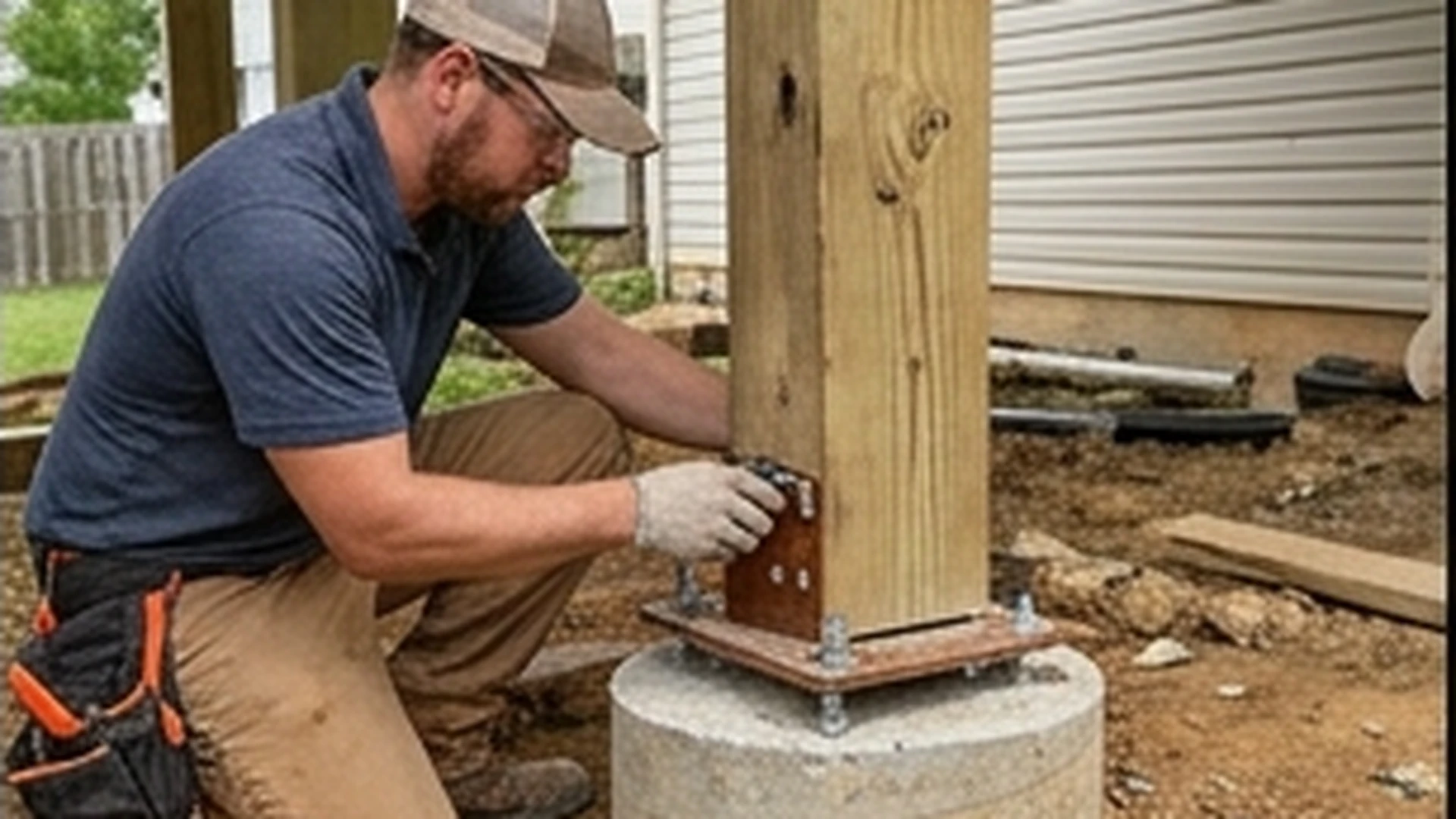

Frederick HOA Deck

HOA Community? We Handle the Submittal.

Tell us your HOA name and desired deck size and we will research the standards and put together a design that gets approved.

Request Service

What to Ask About HOA Deck Contractors

Ask whether they have built decks in your specific HOA community and whether they prepare the architectural committee submittal as part of the project. Ask how they handle a denial — a contractor who says "we'll figure it out" doesn't have a process. Ask specifically what information they need from you to research the CC&Rs before the design starts.

Questions About HOA Deck Projects

How do I find my HOA's deck standards?

Start with the CC&Rs (Covenants, Conditions, and Restrictions) and any separate architectural guidelines document. These are typically provided at closing and may also be posted on the HOA's community portal. If you can't locate them, contact the HOA management company — they are required to provide governing documents to members. We request and review these documents before designing your deck.

Can I start construction before HOA approval if I already have the county permit?

You should not. The county permit does not substitute for HOA approval, and starting construction without HOA approval is a CC&R violation. The HOA can require you to stop construction immediately and may require removal of unauthorized work at your expense. The HOA also has a longer enforcement window than you might expect — violations can be cited years after the fact.

What if my HOA hasn't reviewed decks in years — do I still need approval?

Yes. Lack of past enforcement does not waive the CC&R requirement or the HOA's right to enforce it in the future. A seller who built without HOA approval "because everyone does it that way" is disclosing a violation to the next buyer. We recommend going through the approval process even if it feels like a formality — the documentation protects you at resale.

Related Property-Specific Deck Services