Wood Species for Pergolas
Pressure-treated lumber is the most common choice for pergola framing. Cedar is a natural alternative — it is rot-resistant without chemical treatment, holds paint and stain well, and has a warmer appearance, but it costs more. Composite and aluminum pergola kits exist but require more rigid layout planning. We discuss material options at the estimate visit.
What Determines Cost
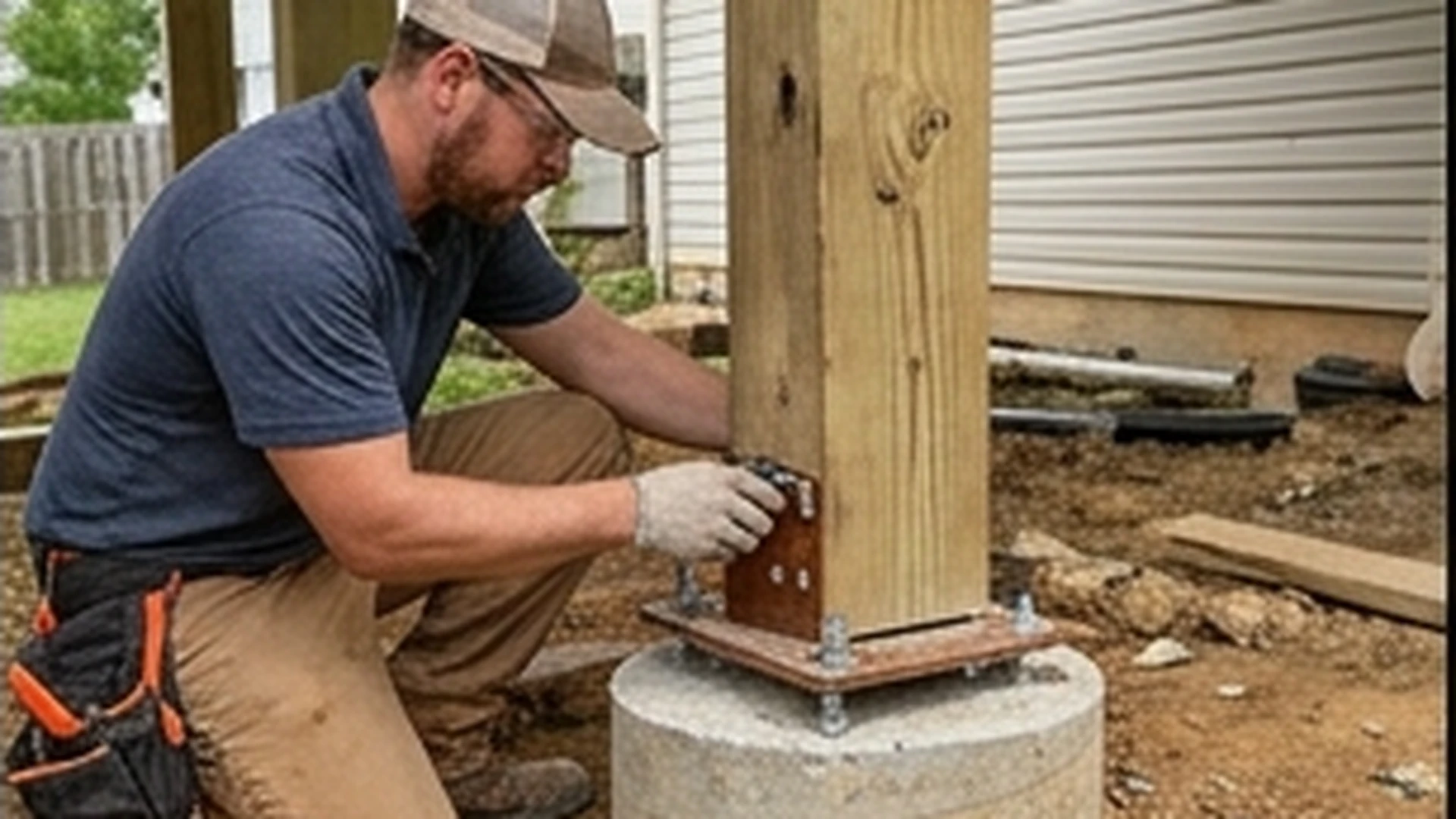
Footprint size, post height, rafter complexity, whether the structure is attached or freestanding, material selection, and whether a permit must be pulled. Larger spans require larger beams and more substantial footings — cost does not scale linearly with area.
Shade Panel Options
Open rafter pergolas provide dappled shade. Lattice top provides slightly more coverage. Polycarbonate panels provide full weather protection but typically trigger a permit for roofed structure status. Shade sails and fabric covers are homeowner-added accessories — we build the structure they attach to, not the sails themselves.
HOA Approval for Pergolas
Most Frederick County HOAs require architectural committee approval for any structure over a certain size. The approval process requires a site plan showing the pergola location relative to property lines, a materials spec, and sometimes a rendering. We provide the documentation the committee needs — don't assume approval is automatic just because the structure is non-permitted by the county.