Commercial deck construction in Frederick

Property-Specific Decks

Commercial Deck Construction in Frederick, MD

Outdoor deck structures for restaurants, retail, apartment communities, and other commercial properties — built to IBC occupancy load requirements, with ADA-accessible design and commercial permit review.

01IBC Occupancy Loads

Commercial decks are designed to the International Building Code (IBC), not the residential IRC. Assembly occupancy decks (restaurants, public gathering areas) carry 100 psf live load — more than double the 40 psf residential design load. Structure sizing changes accordingly.

02ADA-Compliant Access

Commercial outdoor spaces must provide accessible routes, accessible seating, and compliant ramp slopes where grade change exists. We design ADA compliance into the deck layout from the start.

03Commercial Permit Review

Commercial permits in Frederick County go through more review stages than residential permits — plan review by a plans examiner, structural drawings signed by a licensed engineer, and in some cases fire code review. We coordinate the commercial permit process.

Frederick Commercial Deck Planning

Commercial Deck Construction: Heavier Standards for Heavier Use

A restaurant patio with 40 diners at a time carries a fundamentally different load than a residential deck with a family of four. The structure — footings, posts, beams, joists, and connections — must be designed for the actual occupancy load the space will see. Commercial deck permits require engineer-stamped drawings that demonstrate this calculation. We don't adapt a residential design to commercial use — we design for commercial use from the beginning.

IBC vs. IRC: What Changes in Commercial Deck Design

Residential decks are designed per the International Residential Code (IRC) with a standard 40 psf live load. Commercial decks fall under the International Building Code (IBC), which assigns live load based on occupancy type. Restaurant/assembly occupancy is 100 psf. Retail is 75-100 psf. Multifamily residential balconies are 60 psf — 50% more than a standard house deck.

The higher live load means larger joist sizing, shorter joist spans, more closely-spaced beams, larger posts, and significantly more substantial footings. The fastener and connection hardware used at each joint must also be sized for the higher loads. An IBC commercial deck is not a residential deck with bigger numbers — it is a different design approach at every level.

Commercial Applications We Build For

  • Restaurant and bar outdoor dining areas
  • Apartment and condominium community decks and patios
  • Hotel and hospitality outdoor amenity areas
  • Retail storefront outdoor display or seating areas

What a Commercial Deck Project Includes

  • Engineer-stamped structural drawings for permit
  • IBC occupancy-based load design
  • ADA-compliant layout and ramp design
  • Commercial permit coordination with Frederick County
What Happens Next

Our Commercial Deck Construction Process

1

Occupancy and Load Analysis

Occupancy type and design live load confirmed. Structural design begins from the correct IBC load table for the use.

2

Engineering and Drawings

Licensed structural engineer produces stamped drawings. ADA access route designed. Drawings submitted with permit application.

3

Permit Coordination

Commercial permit reviewed by county plans examiner. Any plan review comments addressed. Permit issued.

4

Construction and Inspections

Construction per approved drawings. Required inspections scheduled — footing, framing, and final. Certificate of occupancy or equivalent issued at close.

Commercial Permit Timeline in Frederick

Commercial plan review in Frederick County typically runs 4-8 weeks for first review, with additional time for plan review comments and resubmittal. Larger or more complex structures may take longer. Commercial projects should budget 6-12 weeks from complete submittal to permit issuance. We start the permit process as early as possible relative to the desired construction start.

ADA Requirements for Commercial Outdoor Areas

Commercial outdoor dining and gathering spaces must provide at least one accessible entry route from the public way to the accessible seating areas. Ramps must have a maximum 1:12 slope with level landings at the top and bottom. Railing heights for commercial applications are higher than residential — 42 inches minimum at grades of 30 inches or more. We design ADA compliance into the layout from the first sketch.

Materials for Commercial Use

Commercial deck surfaces see higher foot traffic, more frequent cleaning (pressure washing, cleaning chemicals), and often more concentrated loads from furniture and equipment. Composite decking rated for commercial use, IPE, or proprietary commercial deck systems hold up better in this environment than standard residential-grade products. We specify commercial-rated materials by name for commercial projects.

Liability and Insurance Considerations

Commercial deck structures must be maintained to the same IBC standards they were built to. Annual inspections are strongly recommended for restaurant and hospitality outdoor structures that see high traffic. Structural failures on commercial properties create significant liability. We recommend establishing an annual inspection and maintenance schedule at project close, not as an optional extra but as a core part of the asset management plan.
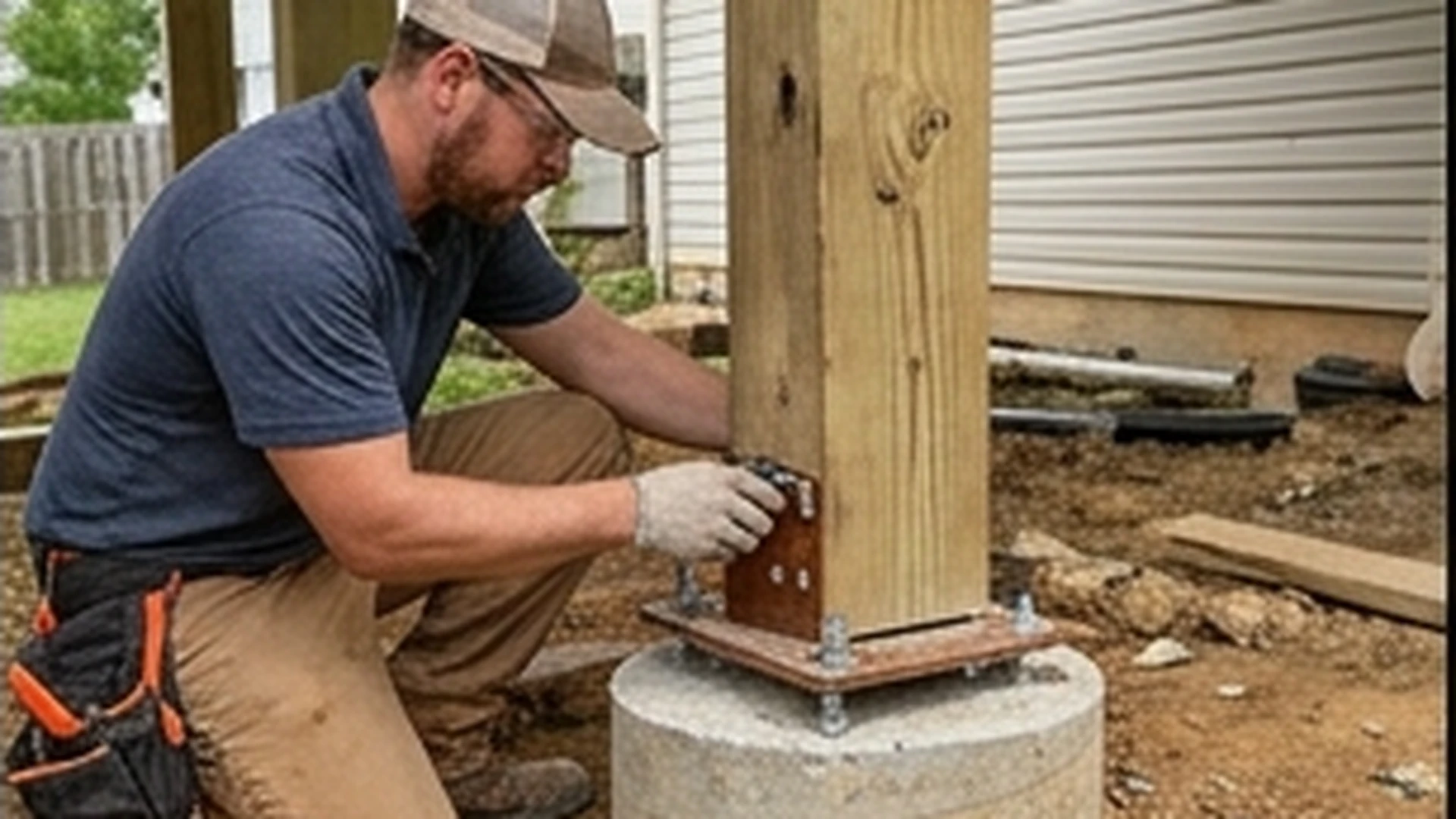

Frederick Commercial Deck

Commercial Outdoor Space Planned?

Tell us the occupancy type, footprint, and ADA requirements and we will scope the structural and permit requirements honestly.

Request Service

What to Ask a Commercial Deck Contractor

Ask specifically whether they design to IBC or IRC and what live load they use for your occupancy type. A contractor who uses 40 psf for a restaurant patio is applying the residential standard to a commercial application — that is not a compliant design. Ask whether the structural drawings will be engineer-stamped, as required for commercial permits in Frederick County.

Questions About Commercial Deck Construction

What live load is required for a restaurant outdoor deck?

Restaurant and assembly occupancy outdoor spaces are designed to 100 psf live load per IBC table 1607.1. This is 2.5 times the standard residential deck design load. Every structural element — footings, posts, beams, joists, and connections — must be sized for this load. It changes the framing significantly compared to a residential deck of the same area.

Do I need engineer-stamped drawings for a commercial deck permit?

Yes, in virtually all cases for commercial occupancies in Frederick County. Commercial building permits require structural drawings sealed by a Maryland-licensed structural or civil engineer. The plans examiner reviews these drawings as part of the commercial plan review process. We coordinate with a licensed engineer on all commercial deck projects.

Can you build a commercial deck that is also ADA compliant?

Yes — ADA compliance is part of the design, not an add-on. The accessible route, ramp slopes, landing sizes, and seating distribution are all designed into the deck layout at the planning stage. Retrofitting ADA compliance after construction is much more expensive than designing it in from the start.

Related Property-Specific Deck Services