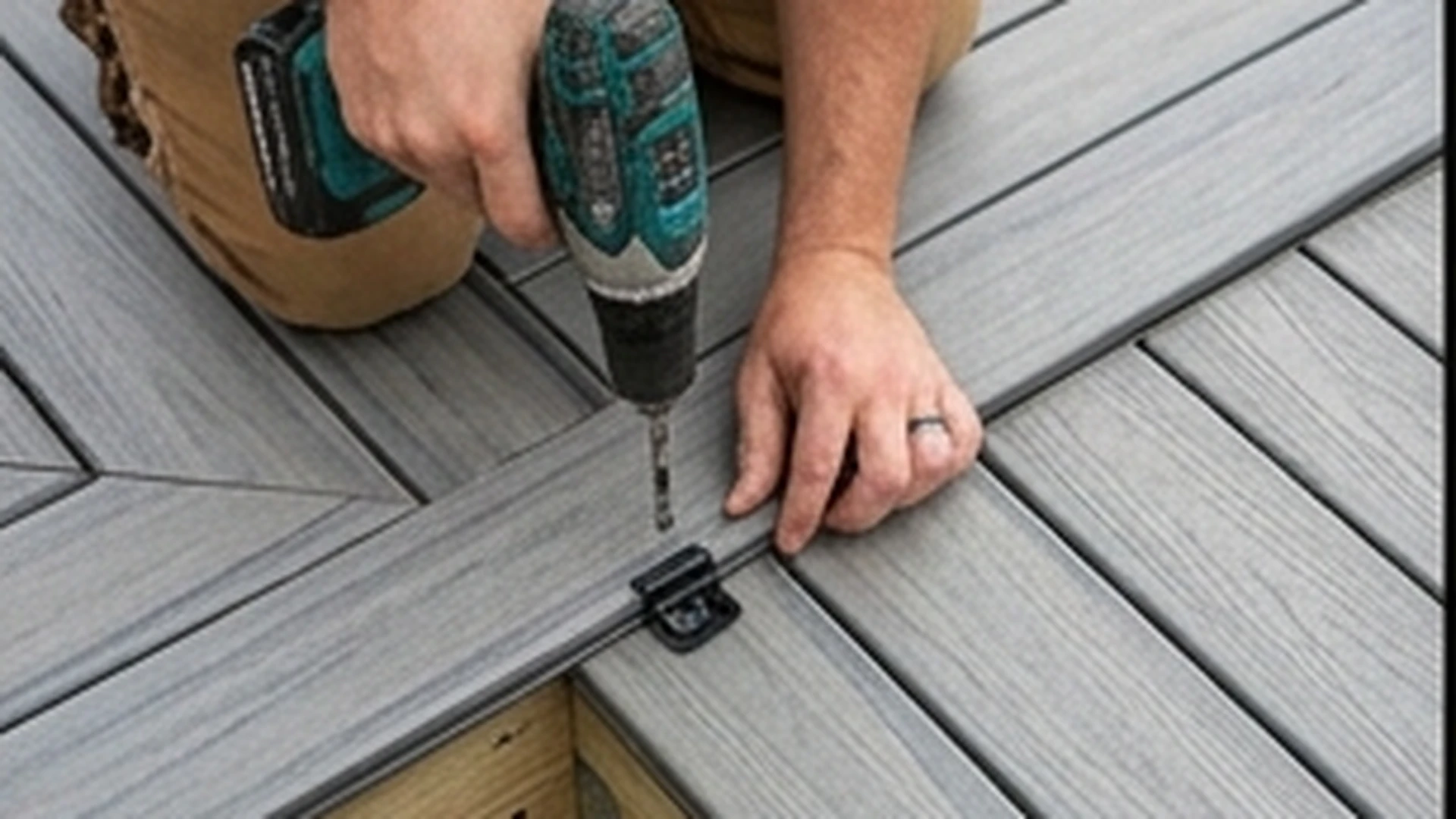
Built-in deck seating in Frederick

Railings, Stairs & Features

Built-In Deck Seating in Frederick, MD

Benches and corner seating built into the deck structure — not surface-mounted — so they carry occupant loads the way the framing was intended, not through lag screws into decking boards.

01Plan the Seat Location

Built-in seating works best at the perimeter — either along a side rail or at corners. Placement affects traffic flow, railing requirements at the benched section, and how bench framing ties into the main deck structure.

02Frame Into the Deck Structure

Bench legs attach to deck framing, not to the decking boards. Loads transfer through the deck frame to the footings — not through surface fasteners that will eventually loosen.

03Finish to Match

Seat boards and back rails built from the same material as the deck surface. Spacing set for drainage. Edges routed for comfort.

Frederick Deck Planning

Built-In Deck Seating: The Structural Argument for Building It Right

Surface-mounted bench legs — legs that are lag-screwed only into the decking boards — work for a season or two before the fasteners loosen in the end grain. A bench that carries 400 pounds of occupant load needs a structural connection to the deck framing, not just to the boards it sits on. Built-in benches designed from the start of a deck build are structurally integrated and don't wobble.

Railing Code and Built-In Bench Interaction

This is the detail most homeowners don't think about: when a built-in bench is placed along the deck perimeter, the bench seat surface becomes the effective "grade" that a person can stand on — which typically raises the effective deck height above grade measurement. A bench seat 18 inches above a 24-inch deck means a person standing on the bench is effectively 42 inches above grade. That can change whether a railing is required at the benched section and what the railing height must be.

Frederick County building officials interpret this issue differently depending on bench configuration. We work through the code implications before designing bench placement at the perimeter edge, and we don't build a configuration that will fail inspection.

When to Add Built-In Seating

  • New deck build where seating is part of the design from the start
  • Existing deck where portable furniture keeps sliding or getting damaged
  • Small deck where space efficiency matters and built-in beats free-standing
  • Corner of the deck that is visually awkward without a feature

What a Built-In Bench Includes

  • Structural leg attachment to deck framing
  • Seat boards matching deck material
  • Optional back rest with integrated rail or planters
  • Drainage gaps set correctly to prevent moisture trapping
What Happens Next

Our Built-In Deck Seating Process

1

Code Review and Layout

Railing implications of bench placement at the perimeter reviewed. Bench layout confirmed so traffic flow and the railing code interaction are resolved before framing starts.

2

Framing Integration

Bench leg attachment points designed into the deck framing. On new builds, blocking is added during framing. On existing decks, framing is accessed from below.

3

Seat Framing

Bench frame constructed from PT lumber, seat boards installed with correct drainage gaps, edges trimmed and routed smooth.

4

Back Rest and Finish

Back rest frame built if included. Finish hardware installed. Bench load-tested before sign-off.

Material Matching

Built-in seating should use the same decking material as the deck surface. A composite deck with pressure-treated benches will look mismatched within a season when the PT boards weather. We specify matching composite seat boards on composite decks and matching PT grade on wood decks — including the correct ACQ treatment level for above-grade use.

Cost Drivers

Linear footage of seating, material, whether back rests are included, complexity of the corner or integration detail, and whether the bench is being added to an existing deck (requires framing access) or built into a new deck from the start.

Planters Integrated With Seating

Built-in planters at the ends of bench sections are a common finish detail. Planters need drainage holes and a liner — water trapped against PT lumber accelerates rot. Composite planter boxes last longer than wood. We can integrate planters into a bench layout when they are specified from the start.

Maintenance

Wood bench seats need the same maintenance as the deck surface — periodic staining or sealing on the same schedule. Composite bench boards need periodic washing but no sealing. The underside of bench frames is sheltered from weather but still benefits from a coat of stain or sealant at the time of build to slow moisture absorption in the framing.

Frederick Deck Features

Want Built-In Seating That Doesn't Wobble After a Season?

Tell us the deck layout and where you want seating and we will design a bench that is framed into the structure.

Request Service

What to Ask About Built-In Bench Installation

Ask specifically how the bench legs attach to the deck — if the answer is lag screws into the decking boards, that is a surface mount, not a structural integration. Ask whether the bench placement at the perimeter affects the railing requirement. A contractor who has not considered the code interaction between bench height and railing height may build something that fails inspection.

Questions About Built-In Deck Seating

Can I add built-in seating to an existing deck?

Yes, but the bench framing needs to connect to the deck framing rather than just to the surface boards. On an existing deck, this typically means accessing framing from below — either removing a few boards at the bench leg locations or working through the underside if the deck has adequate clearance. We assess access during the site visit and factor it into the estimate.

Does built-in seating along the edge replace a railing?

Not automatically, and this is where the code interaction matters. A bench seat can be designed as a guard rail substitute in some jurisdictions — essentially a low-height barrier — but this requires specific design: the back rest acts as the guard, it must be at the correct height, and it must carry lateral loads. We design bench-as-guard configurations when appropriate, not as a workaround but as a genuine alternative to a traditional railing.

What seat height works best for a deck bench?

Standard bench seating height is 17 to 19 inches above the floor surface. Taller benches (20 to 22 inches) are sometimes preferred for people who find lower seating difficult to get out of. We confirm the preferred height during the design discussion — it affects bench leg dimensions and the height calculation for the railing interaction.

Related Railings, Stairs & Features Services