Covered deck construction in Frederick

Outdoor Living Upgrades

Covered Deck Construction in Frederick, MD

A structural roof over your deck — properly permitted, with posts sized for roof loads, beams engineered for the span, and flashing that keeps the house dry at the ledger connection.

01Permits Are Required

Any solid roof over a deck — attached to the house or freestanding — requires a building permit in Frederick County. A roofed structure also triggers setback review and, in many HOA communities, architectural committee approval.

02Post and Beam Sizing

Deck posts under an open deck carry deck loads. Posts under a roof carry deck loads plus roof loads plus snow loads. Post sizing is not the same calculation — it must account for the combined gravity load plus lateral forces from wind.

03Roof-to-House Connection

Attached covered decks transfer part of the roof load to the house through a ridge or ledger connection. That connection must be engineered, flashed correctly, and attached to the house structure — not just the sheathing.

Frederick Deck Planning

Covered Deck Construction: The Roof Changes Everything Structurally

Adding a roof to a deck is not a pergola upgrade — it is a structural addition to the house. Roof loads, snow loads from Maryland winters, and wind uplift all get transferred to the posts and footings. Footings that were fine for a deck may not be adequate for a roofed structure. We assess the existing deck framing and footings before designing the covered structure and upsize what needs to be upsized.

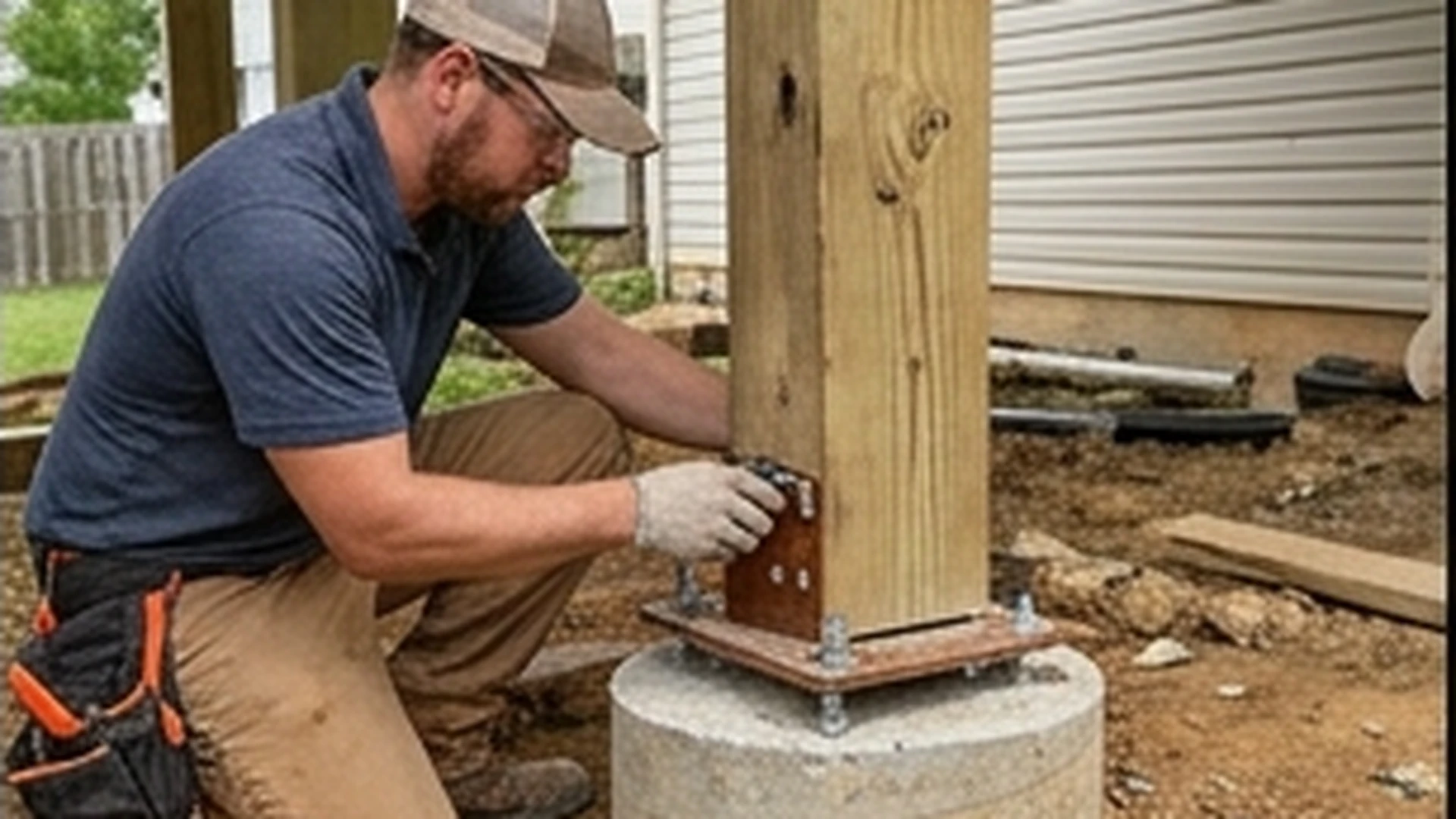
Footing Upsizing: What Changes When a Roof Goes On

A standard deck footing is sized for the tributary area of deck load that post carries — typically 40 psf live load plus dead load, applied to the deck area that drains to each post. When a roof is added, the footing now carries deck load plus roof load plus snow load — Maryland's ground snow load in Frederick County is 25 psf — plus any overhang area. A 12-inch diameter footing for a deck post may need to be 16 or 18 inches for the same post carrying roof loads.

On new builds, we size footings from the start for the full roofed structure. On existing decks, we assess the existing footings — if they are undersized for the roof load, the post bases need to be excavated and the footings poured to a larger diameter before the roof structure goes up.
When Covered Deck Construction Makes Sense

  • Weather is limiting how often the deck is used
  • Planning an outdoor kitchen or dining area that needs protection
  • Adding a screened porch conversion to an existing covered structure
  • New deck build where covered living is the primary use

What a Covered Deck Project Includes

  • Building permit including structural drawings
  • Footing assessment and upgrade if needed
  • Correctly sized posts, beams, and rafters
  • Roof sheathing, underlayment, and finish roofing
What Happens Next

Our Covered Deck Construction Process

1

Structural Design and Permit

Roof loads calculated. Post and footing sizing confirmed. Permit application submitted to Frederick County with structural drawings. HOA submittal prepared if required.

2

Footing Work

Existing footings assessed. Undersized footings excavated and poured to the correct diameter. Cured before post setting.

3

Post, Beam, and Rafter Install

Structural framing erected. Ledger connection to house made with correct flashing. Rafter tails trimmed to the designed overhang.

4

Roofing and Drainage

Sheathing, underlayment, and roofing material installed. Gutters added where drainage management is needed. Final inspection scheduled.

Roof Style Options

Shed roof: Simplest framing, single slope, lowest cost, attaches to the house at the high end. Gable roof: Two slopes, traditional appearance, requires a ridge beam and more complex framing. Hip roof: Four slopes, best for wind resistance, most expensive to frame. Flat (low-slope): Simple framing but requires different roofing material and careful drainage design to prevent standing water.

Cost Drivers

Roof footprint, roof style complexity, whether existing footings need upsizing, roofing material, ceiling treatment (open rafter vs. finished ceiling), gutters, lighting integration, and permit fees.

Roofing Material Options

Asphalt shingles are the standard choice and match most houses. Standing seam metal roofing costs more but lasts longer and handles snow shedding better. Polycarbonate translucent panels allow light transmission but don't match the house roof aesthetically. Corrugated metal is a lower-cost option with a more utilitarian appearance.

The Inspection Sequence

Frederick County requires inspections at multiple stages of covered deck construction: footing inspection before poring, framing inspection before sheathing, and final inspection. Missing an inspection requires opening walls or structure to show the hidden work. We schedule inspections as part of the project plan, not as an afterthought.

Frederick Covered Deck

Ready to Cover the Deck?

A covered deck is a building permit project. We handle the permit, the structural design, and the construction — tell us the deck dimensions and let's start the planning.

Request Service

What to Ask a Covered Deck Contractor

Ask specifically what permit they will pull and who prepares the structural drawings. Any covered deck over an attached structure requires a building permit with structural documentation in Frederick County. A contractor who says a permit is not required for a roofed addition is either misinformed or planning to build without one — either is a serious problem at resale.

Questions About Covered Deck Construction

Do I need a permit to put a roof over my existing deck?

Yes. Any structure with a solid roof in Frederick County requires a building permit, regardless of whether it is attached to the house or freestanding. The permit includes a setback review, structural review, and a series of inspection stages. We manage the permit application as part of the project.

Can my existing deck support a roof without any structural changes?

Sometimes, but it depends on the existing footing size and depth, post size, and whether the original deck was designed to carry roof loads. Most standard residential decks are not designed for roof loads — they need footing and post assessment at minimum, and often footing upgrades, before a roof structure can be added safely.

How long does the permit take for a covered deck in Frederick County?

Frederick County permit review typically runs 3 to 6 weeks for residential additions. Frederick City can run 4 to 8 weeks depending on workload. Starting the permit application before the construction window — not when you want to start building — is the most important scheduling decision in a covered deck project.

Related Outdoor Living Upgrade Services