Outdoor kitchen deck construction in Frederick

Outdoor Living Upgrades

Outdoor Kitchen Decks in Frederick, MD

Deck framing designed for built-in grill stations and outdoor kitchen counters — with non-combustible clearances, utility runs coordinated before the deck surface goes on, and permits for gas and electrical rough-in.

01Design Around the Appliances First

Grill island framing must accommodate the appliance dimensions and provide non-combustible clearance to combustible deck framing. This is not retrofit work — utilities and framing must be planned before the deck is built.

02Coordinate Utilities Before the Deck Surface

Gas lines, electrical conduit, and water supply (if a sink is included) must be rough-in complete before decking is installed. Running utilities under a finished deck requires removing boards — expensive and disruptive.

03Permits for Gas and Electrical

Gas line connections and electrical outlets require permits in Frederick County — the gas line permit requires a licensed plumber or gas fitter, and the electrical permit requires a licensed electrician. We coordinate the licensed trades as part of the project.

Frederick Deck Planning

Outdoor Kitchen Decks: Getting the Sequencing Right

The most common outdoor kitchen deck mistake is treating the kitchen as an afterthought — building a standard deck and then figuring out how to add an outdoor kitchen to it. Grill islands require specific framing, non-combustible clearances, and utility rough-in that must happen before the surface is complete. We design the kitchen and the deck together so neither is a compromise of the other.

Non-Combustible Clearances: The Code Requirement That Shapes the Design

Built-in gas grills require non-combustible material within the clearance zone specified by the grill manufacturer — typically 3 to 5 inches on the sides and back, and 18 to 24 inches of clearance above the cooking surface. If the grill island is built from treated lumber with a composite or stone counter, the interior framing around the grill box must use metal studs or masonry rather than wood.

This is not optional — it is a fire code and manufacturer warranty requirement. Grills built into wood-framed islands without proper non-combustible material have started deck fires. We build the island framing correctly, which means planning the non-combustible zone from the beginning of the kitchen design.

What Goes Into an Outdoor Kitchen Area

  • Built-in grill station with non-combustible island framing
  • Counter surface: granite, porcelain tile, or concrete
  • Refrigerator, beverage cooler, or ice maker rough-in
  • Sink with supply line and drain (if drainage is feasible)

What an Outdoor Kitchen Deck Project Includes

  • Deck framing designed around appliance layout and clearances
  • Utility rough-in coordinated before deck surface
  • Permit coordination for gas and electrical
  • Non-combustible island framing in the grill zone
What Happens Next

Our Outdoor Kitchen Deck Process

1

Kitchen and Deck Design

Appliance layout finalized. Utility routing planned. Non-combustible zones identified in the island design. Permit requirements confirmed for gas and electrical.

2

Permits and Utility Coordination

Building, gas, and electrical permits applied for simultaneously. Licensed gas fitter and electrician scheduled in sequence with deck framing.

3

Deck Framing and Utility Rough-In

Deck framing built with island framing integrated. Gas and electrical rough-in completed while framing is accessible. Rough-in inspection before decking is installed.

4

Deck Surface and Kitchen Finish

Decking installed. Island countertop and appliances installed. Final utility connections made after counter is in place. Final inspections completed.

Gas vs. Propane

Natural gas from the house supply line requires a licensed gas fitter to run the line and pull a permit, but eliminates the need to refill or exchange propane tanks. Propane from a portable tank does not require a permit for the connection but the tank must be stored outside the enclosed island per code. Many homeowners who frequently grill prefer the convenience of natural gas. We work with both — the framing design changes slightly for the line routing.

Covered vs. Open Outdoor Kitchen

A covered outdoor kitchen (with a roof or pergola overhead) allows year-round use in Frederick's climate and provides protection for appliances and counters. It also requires a building permit for the roofed structure. An open-air kitchen is simpler and less expensive but appliances need weatherizing or covers in winter. Most outdoor kitchen investments are better protected with at least a partial overhead cover.

Counter Material for Outdoor Use

Granite and porcelain tile counters are the most common outdoor kitchen counter materials — both resist moisture, UV, and temperature cycling. Concrete counters are a custom option with good durability but need sealing. Laminate, wood, and composite counters used indoors are not appropriate for outdoor kitchen applications in Maryland's climate.

Permit Fees and Timeline

An outdoor kitchen deck typically requires three permits: deck/structural, gas, and electrical. Each has its own application, fee, and inspection stage. Frederick County permit review is typically 3-6 weeks. We apply for all permits at the same time to avoid sequential delays. Budget for 4-8 weeks from project agreement to construction start.
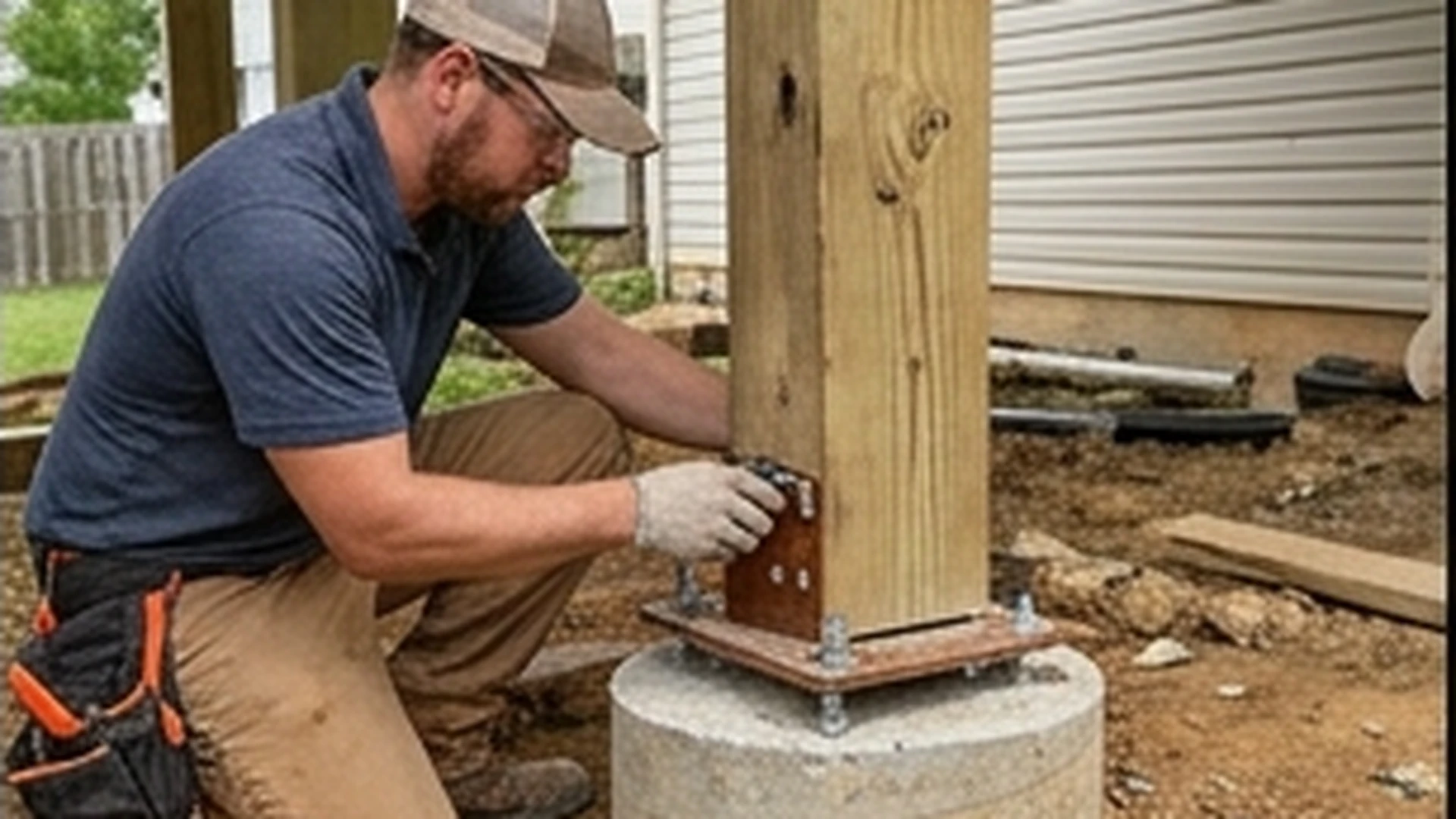

Frederick Outdoor Kitchen

Planning an Outdoor Kitchen? Start With the Deck Design.

Tell us the appliances you want and we will build the deck around them — not the other way around.

Request Service

What to Ask About Outdoor Kitchen Deck Contractors

Ask whether they coordinate the gas and electrical permits or leave that to you. Ask how they handle the non-combustible clearances at the grill island — if they say "we just use composite decking," they haven't thought through the fire code requirements. Ask specifically what trades are licensed and permitted on the job.

Questions About Outdoor Kitchen Decks

Do I need a permit for an outdoor kitchen on my deck?

Yes, if it involves gas connections or electrical work — both require permits and licensed trade inspections in Frederick County. The deck structure itself requires a permit if it is new or significantly modified. We pull all required permits as part of the project and coordinate the inspection sequence so no step holds up the next.

Can I add an outdoor kitchen to my existing deck?

Yes, if the existing deck is structurally sound and was built to a standard that can support the island loads. The main consideration is whether utility rough-in can be done without removing the entire deck surface. In most cases, targeted board removal at the utility chase path is sufficient. We assess the existing deck and utility routing before quoting the addition.

What is the minimum deck size for an outdoor kitchen?

A functional grill station plus seating for 4-6 people needs at least 200-250 square feet of deck area — roughly 12x18 minimum. A full outdoor kitchen with counter space, refrigerator, sink, and a dining area needs 300-400 square feet or more. We help size the deck based on the kitchen layout and the number of seats the homeowner wants.

Related Outdoor Living Upgrade Services